Trough vs. AUC Vancomycin Monitoring: What Changed
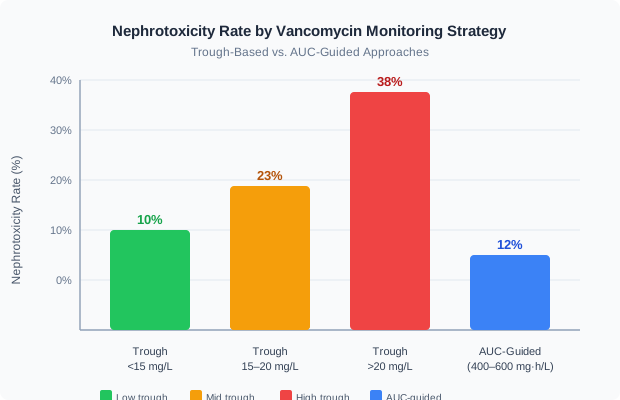
Vancomycin AUC monitoring replaced trough-only targets after 2020 ASHP/IDSA guidelines linked troughs >15 mg/L to rising nephrotoxicity rates.
Read article10 evidence-based articles on pharmacokinetics, AUC monitoring, renal dosing, and TDM for pharmacists, physicians, and pharmacy students.
Vancomycin AUC monitoring replaced trough-only targets after 2020 ASHP/IDSA guidelines linked troughs >15 mg/L to rising nephrotoxicity rates.
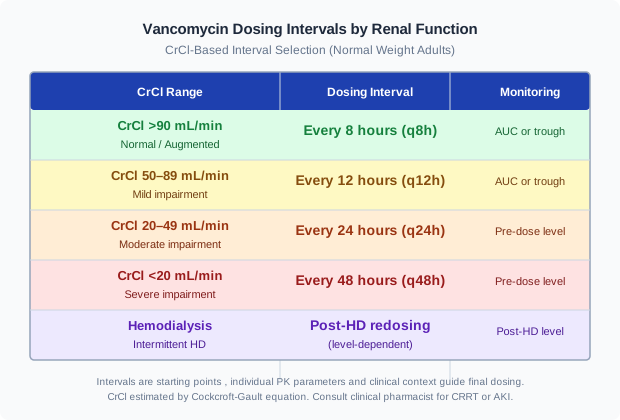
Read articleVancomycin renal dosing requires matching dose intervals to CrCl, learn the four thresholds, dialysis adjustments, and when to call pharmacy.
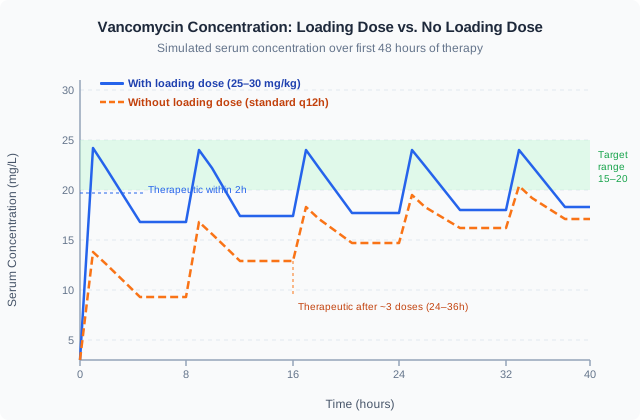
A vancomycin loading dose of 25–30 mg/kg achieves therapeutic concentrations immediately, without waiting 3–4 maintenance doses to reach steady state.
MRSA vancomycin dosing targets AUC₂₄ 400–600 mg·h/L, learn site-specific durations, MIC thresholds, and when to switch agents.
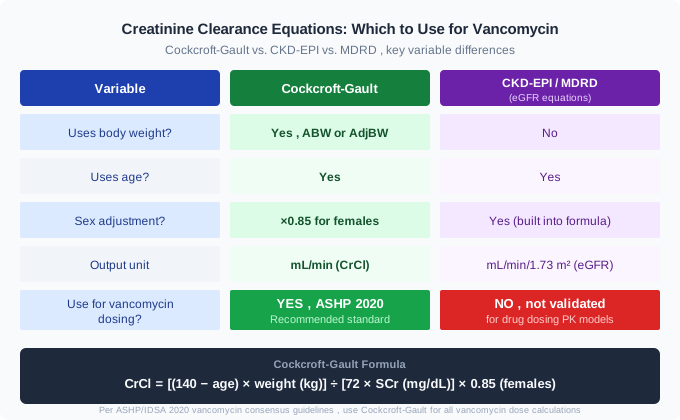
The Cockcroft-Gault equation remains the standard for vancomycin dosing, not CKD-EPI, because it was used in the original vancomycin PK studies.
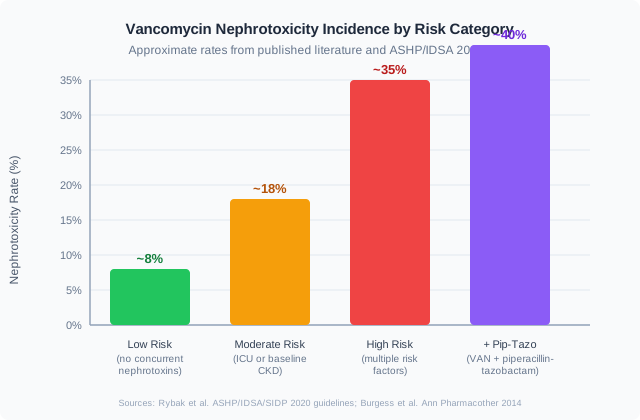
Vancomycin nephrotoxicity affects 5–43% of patients depending on risk factors. Learn which patients are at highest risk and how AUC-guided monitoring reduces kidney injury.
The AUC/MIC ratio explains why vancomycin efficacy depends on total drug exposure, not peak levels. Target AUC/MIC ≥400 for MRSA, here's what that means clinically.
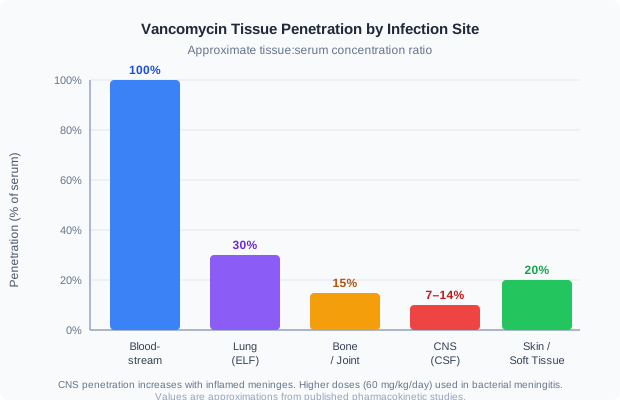
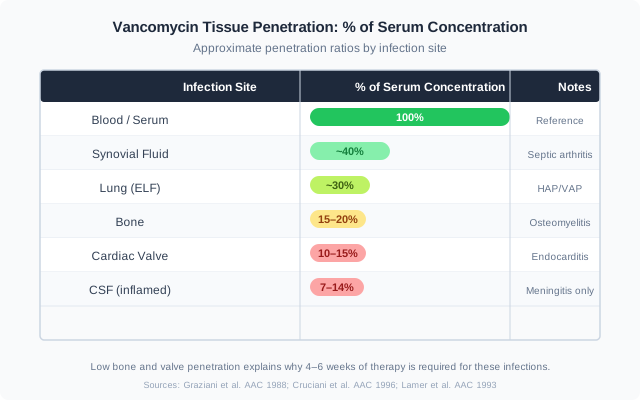
Vancomycin endocarditis dosing demands aggressive AUC targets and weeks of therapy. Learn duration, tissue penetration, and when to consider oral step-down or surgery.
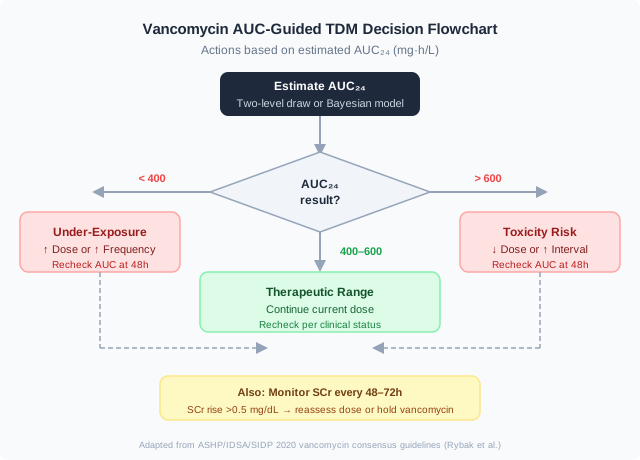
Vancomycin therapeutic drug monitoring with AUC estimation requires knowing when to draw levels, how to interpret them, and when to bring in Bayesian software.
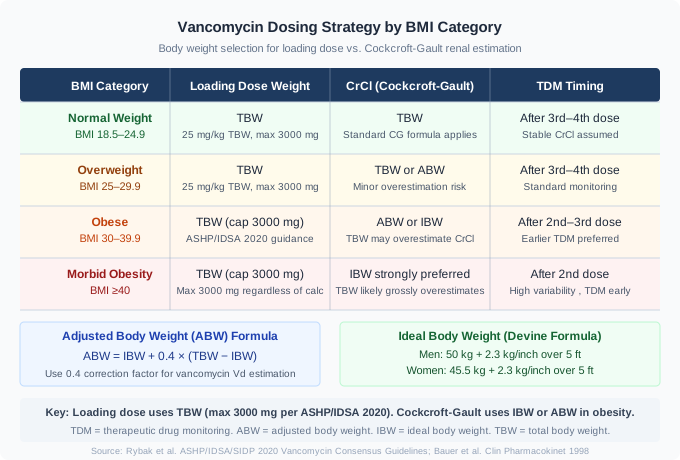
Vancomycin dosing in obese patients depends on which body weight to use for loading and maintenance. AUC-guided TDM matters more here than in any other population.